
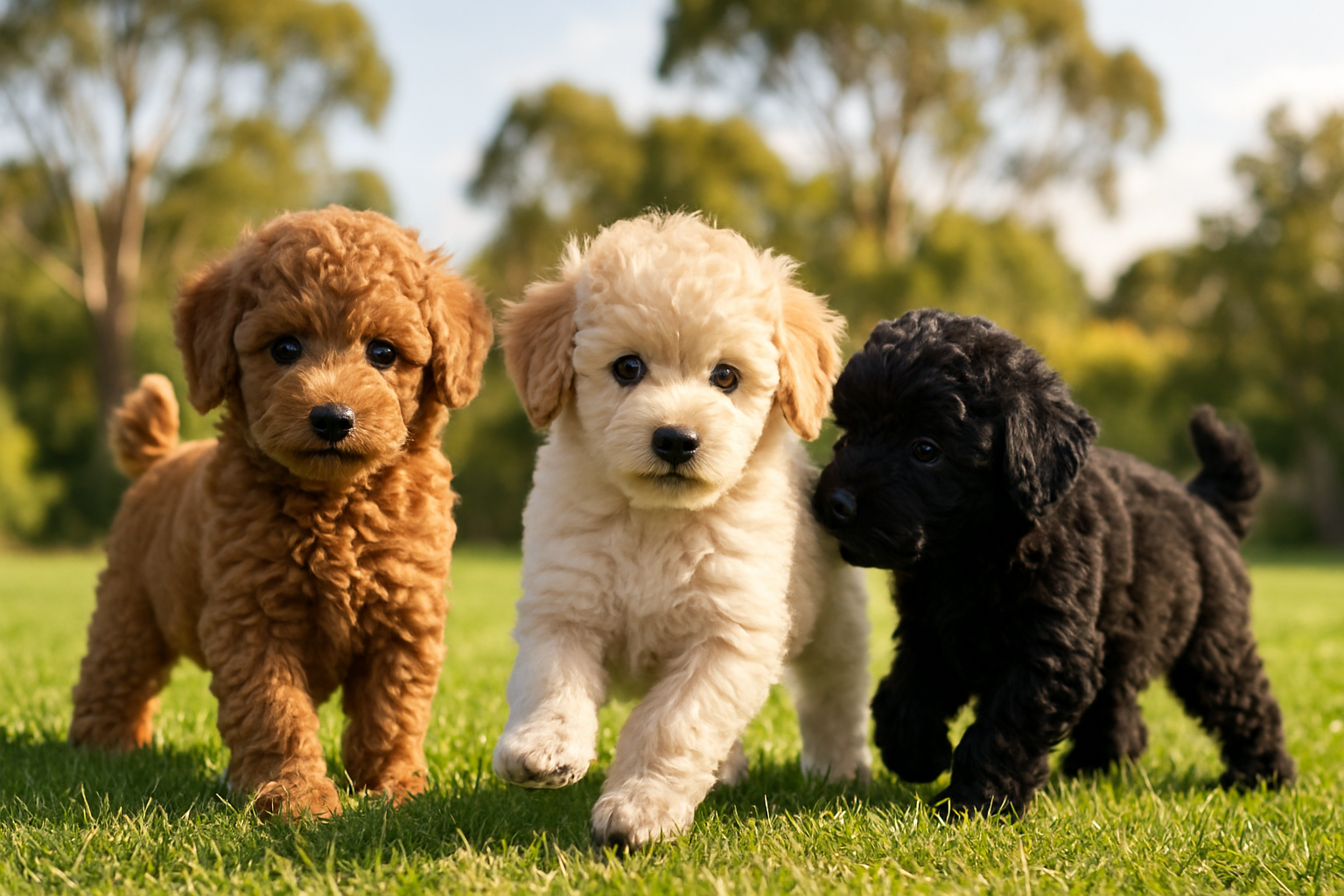
Your Guide to Finding a Healthy Toy Poodle for Sale in Australia
Welcome to toy poodle puppies for sale, your most trusted source for toy poodles for sale Australia. We are a family-owned toy poodle puppy breeder with over a decade of experience. For more than 10 years, our passion has been raising healthy mini, teacup, and toy poodle puppies for sale and placing them into loving, forever homes. We specialize exclusively in poodles and pet products, pouring our hearts into every puppy we raise. Our warm, friendly, and professional approach ensures that each tiny pup is not just well-bred, but also truly loved from the very start. In everything we do, we strive to exemplify ethical breeding practices, exceptional care, and heartfelt dedication to this wonderful breed.
Over the years, toy poodle puppies for sale grew from a hobby into a mission: to share the happiness of owning a poodle with others in the most caring and responsible way. We remain a small, home-based breeder by choice. This allows us to give personalized attention to every dog and puppy in our program.
We understand that searching for a new family member is a big decision. Below, we answer the 15 most critical questions every prospective owner asks when looking for a Toy Poodle in Australia.
How can I verify that a breeder of Toy Poodles in Australia is ethical, registered (e.g., with Dogs Australia/ANKC), and not a puppy farm or backyard breeder?
Verifying a breeder’s legitimacy is the single most important step in acquiring a healthy Toy Poodle. Ethical breeders operate with transparency and are accountable to a governing body, which is a critical distinction from unregulated sources. You must prioritize breeders who can prove their commitment to the breed’s welfare and genetic health.
•Dogs Australia (ANKC) Registration Verification: Ethical breeders are typically registered with Dogs Australia (formerly the Australian National Kennel Council or ANKC) or a state-based affiliate (e.g., Dogs NSW, Dogs Victoria). This registration means they adhere to strict breeding codes of ethics, including limits on litter frequency and mandatory record-keeping. You should ask for the breeder’s membership number and the registered names of the parent dogs, which you can then cross-reference directly with the state body’s public register to confirm their status.
•Mandatory Home Visits and Transparency: A reputable breeder will always welcome and often require a visit to their home or facility. This allows you to observe the environment where the puppies are raised, which should be clean, safe, and stimulating. Crucially, you must be able to meet the mother dog (dam) to assess her temperament and condition. A breeder who insists on meeting in a public place, such as a park or service station, is a significant red flag indicating they may be hiding poor conditions.
•Health Documentation and Pedigree Review: Ethical breeders provide comprehensive documentation, including a certified pedigree showing the puppy’s lineage for at least three generations. This demonstrates a history of responsible breeding. Furthermore, they will provide a veterinary health check certificate for the puppy and, most importantly, the genetic health testing results for both parent dogs.
•Questioning the Breeder’s Specialization and Experience: Ask the breeder about their experience, specifically with the Poodle breed. A dedicated breeder will be passionate and knowledgeable about the breed’s history, temperament, and health issues. We at toy poodle puppies for sale specialize exclusively in Poodles and have over a decade of experience, which allows us to provide breed-specific expertise and care that general breeders cannot match.
What are the mandatory health clearances and genetic testing results (e.g., Patellar Luxation, PRA) that a reputable Australian Toy Poodle breeder must provide for their breeding stock?
Genetic testing is a non-negotiable requirement for responsible Poodle breeding in Australia. These tests are performed on the parent dogs before breeding to minimize the risk of passing on hereditary diseases to the puppies. Buyers must insist on seeing the official documentation from certified laboratories.
•Progressive Retinal Atrophy (PRA-prcd): PRA is a group of genetic diseases that cause the degeneration of the retina, leading to blindness. The most common form in Poodles is PRA-prcd. Reputable breeders use DNA testing to ensure that at least one parent is “clear” of the gene. If both parents are “clear,” the puppies are guaranteed not to be affected. If one parent is a “carrier” and the other is “clear,” the puppies will not develop the disease but may be carriers themselves.
•Patellar Luxation (Knee Joint Assessment): Patellar Luxation is a condition where the kneecap (patella) dislocates or moves out of its normal location. This is a common issue in small breeds like the Toy Poodle. While it is not a DNA test, breeding dogs should have their knees physically examined and graded by a veterinarian, often using the Orthopedic Foundation for Animals (OFA) or a similar grading system. Breeders should only use dogs with a grade of 0 or 1 for breeding.
•Von Willebrand’s Disease (vWD Type I): vWD is a common inherited bleeding disorder in dogs, similar to hemophilia in humans. Affected dogs can suffer from excessive bleeding after injury or surgery. DNA testing is available and should be performed on breeding stock. Ensuring the parents are clear or that at least one is clear prevents the puppies from being affected by this serious condition.
•Ophthalmic Examination (Eye Certification): Beyond PRA-prcd, breeding dogs should undergo a comprehensive eye examination by a certified veterinary ophthalmologist to screen for other inherited eye conditions, such as cataracts. These examinations are typically performed annually, and the results should be documented and provided to the buyer.
What is the true, comprehensive cost of a Toy Poodle in Australia, including the initial purchase price, and what are the expected ongoing annual expenses?
Understanding the full financial commitment is crucial for responsible ownership. The cost of a Toy Poodle extends far beyond the initial purchase price and requires careful budgeting for the dog’s entire lifespan, which can be 12 to 15 years.
•Initial Purchase Price and Inclusions: The price for a Toy Poodle puppy from an ethical Australian breeder generally falls between $3,000 and $6,000 AUD. This price reflects the breeder’s investment in health testing, quality nutrition for the mother and puppies, veterinary care, registration fees, and early socialisation. The price should include the puppy’s first vaccination, microchipping, a comprehensive vet check, and a puppy pack.
•Essential First-Year Expenses (Excluding Purchase Price): The first year is the most expensive due to one-off costs. This includes purchasing essential supplies such as a crate, bedding, food and water bowls, leash and harness, toys, and puppy training classes. The total for these items, plus the remaining vaccinations and desexing surgery (if not included by the breeder), can easily add up to $2,500 to $4,000 AUD.
•Ongoing Annual Maintenance Costs: The primary ongoing costs for a Toy Poodle are professional grooming and premium food. Due to the Poodle’s non-shedding coat, professional grooming is mandatory every 4-6 weeks, costing approximately $80-$120 per session. High-quality food can cost $100-$150 per month. Annual vet checks, vaccinations, and year-round parasite prevention (flea, tick, and worming) add another significant expense. Owners should budget a minimum of $2,000 to $3,500 AUD per year for these essential maintenance items.
What specific contractual guarantees, including health warranties and desexing agreements, should be included in an Australian Puppy Sales Agreement, and how does this align with Australian consumer law?
The Puppy Sales Agreement is a legally binding document that protects both the buyer and the breeder. It must clearly outline the responsibilities of both parties and provide recourse should unforeseen issues arise. This contract is your primary form of legal protection.
•Genetic Health Guarantee: A reputable contract will include a guarantee against severe, life-limiting, or life-threatening genetic or hereditary conditions for a period of at least 12 months, and sometimes up to 24 months. If a veterinarian diagnoses such a condition within the guarantee period, the contract should specify the remedy, which typically involves a full refund, a replacement puppy, or financial assistance for treatment. We stand by our puppies with a 30-day full refund or a replacement policy, demonstrating our commitment to 100% customer satisfaction and the health of our lines. You can review the full details on our Health Guarantee page.
•Mandatory Desexing Clause: The vast majority of puppies sold as pets are subject to a desexing agreement. This clause requires the new owner to have the puppy desexed by a specific age (e.g., 6-12 months) and provide proof from a veterinarian. The puppy’s registration papers are often withheld until this proof is provided. This practice helps ensure responsible pet ownership and prevents accidental or irresponsible breeding.
•Return Policy and Rehoming Assistance: A responsible breeder will always include a clause stating that if the owner can no longer keep the dog at any point in its life, the dog must be returned to the breeder. This ensures the dog never ends up in a shelter or rescue system. This commitment to the dog’s lifetime welfare is a hallmark of ethical breeding.
•Compliance with Australian Consumer Law: The contract must comply with Australian Consumer Law (ACL), which provides statutory guarantees that goods (including pets) are of acceptable quality and fit for purpose. While the contract provides specific terms, the ACL provides a baseline level of protection for the buyer.
What are the specific state-by-state laws in Australia regarding pet ownership, mandatory microchipping, and registration that I must comply with after purchasing a Toy Poodle puppy?
Pet ownership laws are not uniform across Australia; they are governed by state and local council regulations. Compliance with these laws is mandatory and failure to comply can result in significant fines.
•Mandatory Microchipping and Database Registration: In all Australian states and territories (e.g., NSW, VIC, QLD, SA, WA), it is a legal requirement for all dogs to be microchipped before sale or transfer. The breeder is responsible for the initial microchip registration. The new owner is legally required to update the microchip details with the relevant state-based or national database (e.g., the NSW Pet Registry) within a short timeframe after purchase. You can find more information on the process through Service NSW.
•Local Council Registration: Beyond microchipping, all dogs over a certain age (usually 3 to 6 months) must be registered with the local council where they reside. This is an annual or lifetime fee. Fees are often discounted for desexed pets and pensioners. This registration helps local councils manage pet populations and reunite lost pets with their owners.
•Breeding and Supply Number Requirements: In states like Victoria (VIC) and New South Wales (NSW), breeders are required to hold a source number (e.g., a Pet Exchange Register number in VIC or a Breeder Identification Number in NSW). This number must be displayed in all advertisements for puppies. This is a crucial tool for buyers to trace the origin of the puppy and verify the breeder’s compliance with state regulations.
•Dog Limits and Housing Regulations: Local council by-laws often dictate the maximum number of dogs allowed per household, especially in urban areas. They also set rules regarding fencing, noise control, and waste disposal. Prospective owners must check their local council’s specific regulations to ensure their property and lifestyle comply with the legal requirements for owning a dog.
What is the typical waiting list process, deposit structure, and communication timeline I should expect when dealing with a reputable Toy Poodle breeder in Australia?
The process of acquiring a Toy Poodle from a reputable Australian breeder is structured and often involves a waiting period, reflecting the high demand for ethically raised puppies. This process is designed to ensure that both the puppy and the prospective family are a perfect match.
•Initial Application and Interview: The first step is typically a detailed application form or a phone interview. This allows the breeder to understand your living situation, experience with dogs, and expectations for a Toy Poodle. Reputable breeders are highly selective and use this stage to screen out unsuitable homes, prioritizing the puppy’s welfare. We use this process to ensure our puppies are placed in loving, forever homes that match their specific needs.
•Deposit and Placement on the Waiting List: Once approved, a non-refundable deposit is required to secure your place on the waiting list. This deposit signifies your serious commitment to the purchase. The deposit amount can vary but is typically a few hundred dollars. The waiting time can range from a few months to over a year, depending on the breeder’s program size and the demand for specific colours or sizes (mini, teacup, or toy).
•Communication and Litter Announcements: Reputable breeders maintain regular communication, providing updates on the breeding pair, confirmed pregnancies, and the birth of the litter. Once the puppies are born, communication becomes more frequent, often including weekly “pupdates” with photos and videos. This transparency allows you to follow the puppy’s development from the very beginning.
•Puppy Selection and Allocation: Puppy selection usually occurs around 6 to 8 weeks of age, after temperament testing and veterinary checks are complete. Ethical breeders often allocate puppies based on temperament match rather than allowing buyers to choose solely on appearance. This ensures the puppy’s personality (e.g., energy level, confidence) is best suited to the family’s lifestyle. You can view our currently Available Poodles puppies on our website.
What is the difference between purchasing a Toy Poodle “for sale” from a breeder and adopting a rescue Toy Poodle or Poodle mix through an Australian rescue organisation?
The choice between purchasing and adopting depends on your priorities regarding predictability, history, and age. Both options offer the opportunity to welcome a Poodle into your life, but they serve different purposes and come with different levels of certainty.
•Predictability of Health and Temperament: Purchasing from an ethical breeder like toy poodle puppies for sale provides the highest level of predictability. You receive a puppy with a known genetic history, certified health clearances for the parents, and a temperament shaped by early socialisation. In contrast, rescue dogs often have an unknown history, and while their current temperament is assessed, their genetic health background is usually unavailable.
•Age and Training Status: A breeder typically sells puppies between 8 and 12 weeks of age, allowing the new owner to manage all primary socialisation and training from the start. Rescue dogs are often adult dogs or older puppies. While an adult dog may be house-trained and past the destructive puppy phase, they may also come with established behaviours or anxieties that require experienced handling and rehabilitation.
•Mission and Purpose: The breeder’s mission is to improve the breed and provide healthy, well-adjusted puppies with lifetime support. The rescue organization’s mission is to save and rehome dogs in need, often from difficult circumstances. Choosing adoption is a humanitarian act, while choosing a reputable breeder is an investment in quality and predictability.
How are Toy Poodle puppies socialised and what early training programs (e.g., ENS) are implemented by Australian breeders to ensure a well-adjusted pet?
Early life experiences are the foundation of a Toy Poodle’s temperament and confidence. A dedicated breeder implements structured programs to ensure the puppy is resilient and ready to thrive in a busy Australian home environment.
•Early Neurological Stimulation (ENS): ENS is a program of five gentle exercises performed on puppies from the 3rd to the 16th day of life. These exercises stimulate the neurological system, which is believed to improve cardiovascular performance, strengthen the adrenal glands, and increase tolerance to stress later in life. This is a standard practice in our program to build robust, confident puppies.
•Exposure to Varied Sensory Experiences: From three weeks onward, puppies are systematically exposed to a wide range of sights, sounds, and textures. This includes common household noises (vacuum cleaners, doorbells, television), different floor surfaces (carpet, tile, wood), and various objects (toys, tunnels, crates). This process desensitizes them to the typical stimuli of a family home.
•Human and Canine Socialisation: Puppies must interact with a variety of people of different ages, genders, and appearances. They also learn crucial bite inhibition and communication skills from their mother and littermates until they are ready to go home. We ensure our puppies have daily, positive interactions with children and adults to foster their naturally friendly Poodle temperament.
•Early Crate and Toilet Training Introduction: Reputable breeders introduce the concept of crate training and toilet training before the puppy leaves. Puppies are encouraged to sleep in a clean, den-like area and are routinely taken to a designated toilet area (e.g., grass or a specific pad). This head start significantly eases the transition for the new owner.
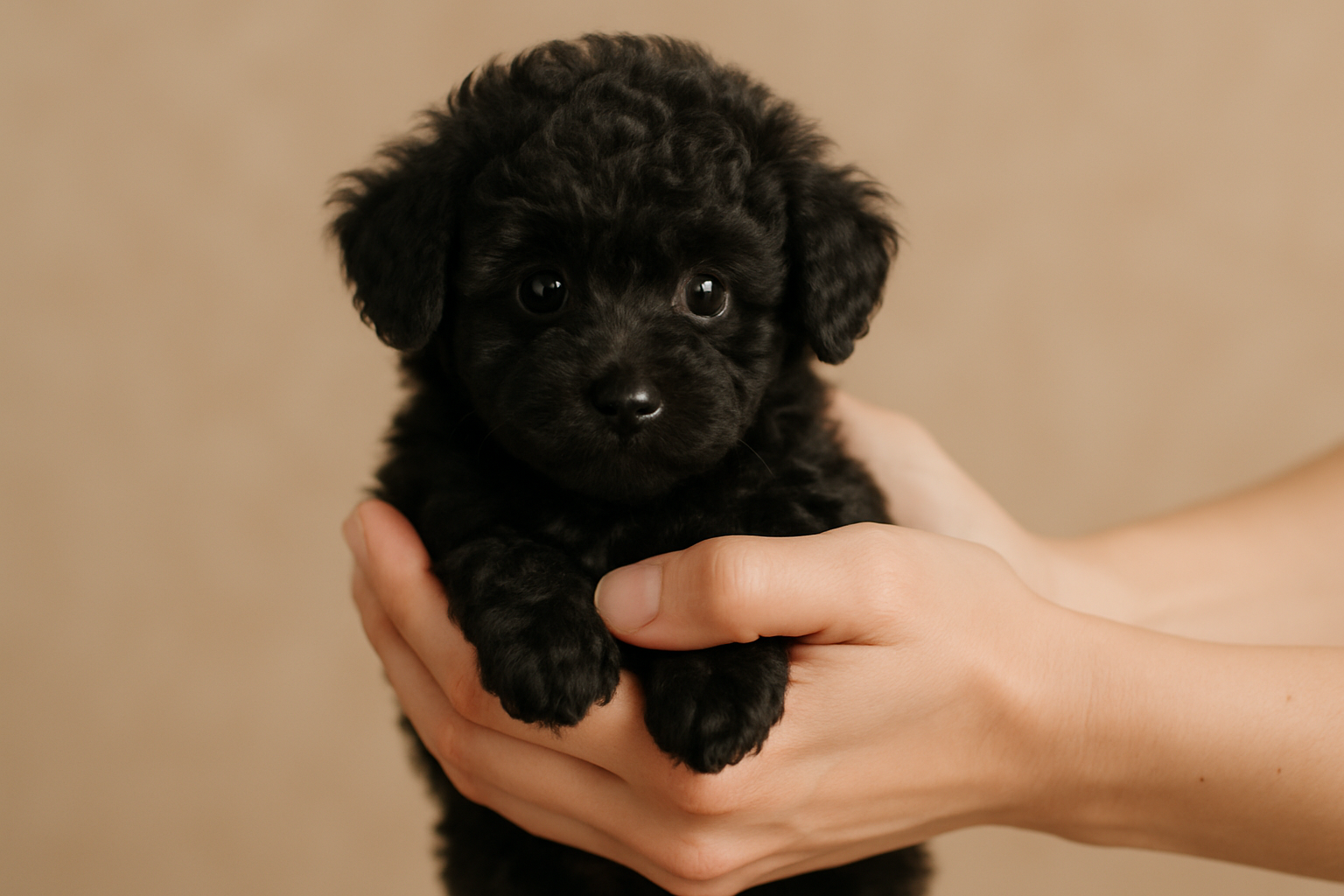
What are the safest and most recommended methods for interstate transport of a Toy Poodle puppy across Australia, and what are the associated costs?
For buyers located outside the breeder’s state, safe and stress-free transport is a major consideration. The method chosen must prioritize the puppy’s welfare and comply with all Australian animal welfare regulations.
•Specialized Pet Transport Services: The most recommended method is using professional, specialized pet transport companies. These companies are experienced in handling young animals and use temperature-controlled, ventilated transport vehicles or IATA-approved crates for air travel. They manage all logistics, ensuring the puppy is comfortable and monitored throughout the journey.
•Air Travel via Approved Cargo: For long distances, air travel is often the quickest and least stressful option. Puppies travel in the pressurized, temperature-controlled cargo hold of commercial airlines, not in the cabin. The crate must be airline-approved, and the puppy must be old enough (usually 10-12 weeks) and fully vaccinated before flying.
•Cost and Delivery Timeframe: The cost of interstate transport within Australia typically ranges from $300 to $800 AUD, depending on the distance and the chosen service (road or air). We offer worldwide coverage with timely delivery, including a fast 24 to 48 hours delivery service within Australia using our trusted network of pet transport partners, ensuring minimal travel time for your new family member. You can find more details on our Shipment Process page.
•Preparation and Documentation: Before transport, the puppy must have a final veterinary check and a “Fit to Fly/Travel” certificate. All necessary documentation, including health records and microchip details, must accompany the puppy. The breeder will ensure the puppy is well-hydrated and has a comfortable, familiar blanket for the journey.
How does a breeder assess and match a Toy Poodle puppy’s individual temperament and energy level to my specific Australian family lifestyle and living situation (e.g., apartment vs. house)?
Temperament matching is a crucial step that distinguishes ethical breeders from commercial operations. It ensures the puppy’s innate personality aligns with the owner’s expectations and environment, leading to a successful, lifelong placement.
•Formal Temperament Testing (e.g., Volhard Puppy Aptitude Test): Around 7 to 8 weeks of age, breeders often conduct formal temperament tests. These tests assess five key areas: social attraction, following, restraint, social dominance, and sound sensitivity. The results provide an objective profile of the puppy’s confidence, willingness to please, and energy level.
•Observational Assessment and Daily Records: In addition to formal testing, breeders keep daily records of each puppy’s behaviour. They observe how the puppy interacts with littermates, reacts to new toys, and approaches people. For example, the puppy who is the first to explore a new object is likely more confident and outgoing, while the puppy who hangs back may be more reserved and better suited for a quieter home.
•Matching Energy Level to Owner Activity: A Toy Poodle is an intelligent and active breed, but individual energy levels vary. A high-energy puppy requires a family committed to daily long walks, dog sports, or frequent trips to the park. A lower-energy puppy is better suited for an older couple or someone living in an apartment who can provide consistent, gentle exercise and mental stimulation.
•Consideration of Family Composition: The breeder considers the family’s composition, including the age of children and the presence of other pets. A bold, boisterous puppy might accidentally overwhelm a very young child, while a more submissive puppy might be stressed by a very dominant older dog. The goal is to find a puppy whose temperament complements the existing dynamics of the household.
What is the recommended vaccination schedule (C3/C5) and what are the best Australian-approved products for ongoing parasite prevention (worming, flea, and tick control)?
Maintaining your Toy Poodle’s health requires a strict adherence to veterinary-recommended schedules for vaccinations and parasite control. These protocols are standardized across Australia to protect your puppy from common and dangerous diseases.
•Core Vaccination Protocol (C3/C5): The core vaccination protocol in Australia typically involves a series of injections starting at 6-8 weeks of age. The C3 vaccine protects against Canine Distemper, Hepatitis, and Parvovirus, which are highly contagious and often fatal. The C5 vaccine includes the C3 components plus protection against Parainfluenza and Bordetella bronchiseptica (Kennel Cough). Your puppy will receive their final booster around 16 weeks, after which they will require annual or triennial boosters as recommended by your vet.
•Worming Schedule: Puppies are highly susceptible to intestinal worms (roundworm, hookworm, whipworm) and tapeworm. The standard schedule requires worming every two weeks from birth until 12 weeks of age, then monthly until six months of age. After six months, a high-quality all-wormer should be administered every three months for the dog’s entire life. We ensure all our puppies are on a strict worming schedule before they leave our care.
•Flea and Tick Prevention: Given the varied and often harsh Australian climate, year-round flea and tick prevention is mandatory. Paralysis ticks, found in coastal and bush areas, are particularly dangerous and can be fatal within days. Australian-approved products are available in chewable tablet form (e.g., Bravecto, NexGard, Simparica) or topical spot-ons. Chewable tablets are generally preferred as they offer full-body protection and are not washed off during bathing or swimming.
•Heartworm Prevention: Heartworm is a serious, potentially fatal parasitic disease transmitted by mosquitoes. Prevention is much safer and cheaper than treatment. In Australia, heartworm prevention is typically administered monthly via a chewable tablet or as an annual injection given by your veterinarian. It is crucial to start prevention early and maintain it consistently. For general guidance on pet health, you can refer to the Australian Veterinary Association.
Considering the Australian climate, what are the best practices for maintaining a Toy Poodle’s coat, and how often should professional grooming be scheduled?
The Toy Poodle’s signature coat is non-shedding and hypoallergenic, but it requires intensive, consistent maintenance. Failure to maintain the coat, especially in the humid Australian climate, can lead to painful matting, skin infections, and overheating.
•Daily Brushing with the Right Tools: Daily brushing is non-negotiable. The coat must be brushed down to the skin using a high-quality slicker brush and a metal comb. Simply brushing the top layer of the coat will leave mats forming underneath. In humid or wet conditions, matting can occur in less than 24 hours.
•Professional Grooming Frequency: A full professional groom, including a bath, blow-dry, and clip, is required every 4 to 6 weeks. This schedule is necessary to keep the coat at a manageable length and prevent matting. Attempting to stretch this period to save money will inevitably result in severe matting, which often requires a painful full-body shave by the groomer.
•Managing the Australian Climate: In the hot Australian summer, a shorter “kennel clip” or “lamb clip” is recommended to help the dog regulate its temperature. While Poodles are often shown in elaborate clips, a practical, short clip is best for an active pet in the Australian heat. Owners must also be vigilant about drying the coat completely after swimming or rain, as dampness accelerates matting.
•Ear and Eye Care: Poodles grow hair inside their ear canals, which must be regularly plucked or trimmed by a groomer or vet to prevent wax buildup and ear infections. Additionally, Poodles, especially those with lighter coats, can suffer from tear staining. Regular cleaning with a damp cloth or a vet-approved solution is necessary to prevent staining and irritation around the eyes.
What are the best high-quality, locally available dog food brands (kibble or raw) that meet the specific dietary and nutritional needs of a growing Toy Poodle puppy in Australia?Proper nutrition is the cornerstone of a healthy Toy Poodle. Due to their small size and high energy, Toy Poodles require a diet that is nutrient-dense and specifically formulated for small-breed puppies.
•Small-Breed Puppy Formulation: Toy Poodles must be fed a diet specifically labeled for “small-breed puppies.” These formulas have smaller kibble sizes, which are easier for tiny mouths to chew, and a higher caloric density to meet the rapid growth and high metabolism of a small breed. The food must contain the correct balance of calcium and phosphorus to support healthy bone development.
•Prioritizing Australian-Made Premium Kibble: We recommend choosing Australian-made premium kibble brands that adhere to strict quality control standards. The first ingredient listed should always be a named meat source (e.g., chicken, lamb, beef), not a grain or a meat by-product. Look for foods that are complete and balanced according to AAFCO (Association of American Feed Control Officials) standards, which are widely accepted in Australia.
•Considerations for Raw (BARF) Diets: If you choose to feed a raw (Biologically Appropriate Raw Food or BARF) diet, it is crucial that the diet is professionally formulated and balanced. Simply feeding raw meat scraps is insufficient and can lead to severe nutritional deficiencies, especially in a growing puppy. Consult with a veterinary nutritionist to ensure the diet includes the necessary organs, bones, and supplements.
•Avoiding Common Allergens: Poodles can be prone to food sensitivities, often manifesting as skin irritation or digestive upset. Common culprits include beef, dairy, wheat, and soy. If your puppy shows signs of allergies, a limited-ingredient diet or a consultation with your vet to perform an elimination diet may be necessary.
Where can I find and vet reputable, Poodle-experienced groomers in major Australian cities, and what is the typical cost for a full Toy Poodle groom?
Finding a groomer who understands the Poodle coat is as important as finding a good veterinarian. An inexperienced groomer can damage the coat or, worse, injure your dog.
•Sourcing Recommendations: The best way to find a reputable groomer is through direct recommendations from your breeder, your veterinarian, or local Poodle clubs. These sources will recommend groomers who are known to handle Poodles correctly and are familiar with the breed’s specific grooming needs.
•Vetting the Groomer: Before booking, visit the salon and observe the environment. Ask the groomer specific questions about their experience with Poodles. A knowledgeable groomer will be able to discuss different clip styles (e.g., lamb, continental, teddy bear) and will use professional equipment like high-velocity dryers and quality clippers. Ensure they are fully insured and have procedures in place for handling emergencies.
•Typical Cost and Inclusions: The typical cost for a full Toy Poodle groom in major Australian metropolitan areas (Sydney, Melbourne, Brisbane) ranges from $80 to $120 AUD. This price usually includes a bath with premium shampoo, a full blow-dry, nail clipping, ear cleaning/plucking, and the desired coat clip. Prices may be higher for matted dogs or for specialized show clips.
•The Importance of Regularity: Groomers often offer a discount for pre-booking regular appointments (e.g., every 4 weeks). This is beneficial because it ensures your Poodle’s coat is always in good condition, which makes the grooming process faster and less stressful for the dog. We also offer a range of Dog Grooming products on our site to help with at-home maintenance.
What level of post-sale support, including advice on training and health, should I expect from the breeder during the Toy Poodle’s first year of life?
The relationship with a reputable breeder does not end when you take your puppy home; it is a lifelong commitment. The breeder should act as a primary resource and mentor, especially during the challenging first year of ownership.
•Lifetime Access to Advice: A responsible breeder offers lifetime support for the dog. This means being available to answer questions about house training, teething, diet changes, and behavioural issues. We view our families as part of the toy poodle puppies for sale community and encourage owners to reach out with any concerns, no matter how small.
•Guidance on Training and Socialisation: The breeder should provide a detailed handover pack that includes a schedule of the puppy’s feeding, sleeping, and toilet routine. They should also offer advice on enrolling in puppy preschool and basic obedience classes, which are vital for a Toy Poodle’s mental stimulation and social development.
•Health and Veterinary Liaison: In the event of a health concern, the breeder should be your first point of contact after your veterinarian. They can offer insights into the puppy’s genetic background and may have experience with similar issues in their lines. They should also be willing to communicate with your vet if necessary to provide a complete history.
•Commitment to Rehoming: The ultimate sign of a responsible breeder is their commitment to the dog’s welfare for its entire life. They should have a clause in the contract stating that if, for any reason, you can no longer keep the dog, it must be returned to them. This ensures that no puppy bred by toy poodle puppies for sale ever ends up in a shelter.
Conclusion
Choosing a Toy Poodle is a commitment to a decade or more of joy, companionship, and love. By asking these 15 essential questions, you ensure you are making an informed, ethical, and responsible decision. At toy poodle puppies for sale, we are dedicated to providing you with a healthy, happy puppy and the support you need to succeed. We are more than just a breeder; we are your partner in Poodle ownership.
This blog post is brought to you by toy poodle puppies for sale, specializing in healthy mini, teacup, and toy poodle puppies for sale and sourcing the best pet products for your beloved companion.